Ask most people how they slept and you'll get a number: "about seven hours." It's the metric we've all been trained to chase. But anyone who's spent eight restless hours in bed and woken up wrecked knows the number doesn't tell the whole story. Duration is the easy half. Quality is the half that decides how you actually feel, and it's the half your wearable is quietly tracking every night.
Beyond hours
Two nights of seven hours can be completely different events. One is unbroken, with healthy stretches of deep and REM sleep. The other is fragmented, a dozen micro-awakenings you don't remember, light sleep where deep sleep should be, and a late bedtime that shifts everything out of rhythm. Same number on the clock, very different recovery.
That's why "quality" is the right thing to care about. It's a blend of three things: how deep you go, how continuous the night is, and how well-timed it is relative to your body clock. A wearable can give you a usable read on all three.
The stages that matter
Across the night you cycle through stages, and two of them do most of the heavy lifting:
- Deep sleep (slow-wave). This is the body's repair shift, tissue recovery, hormonal regulation, and the strongest restorative phase. It's front-loaded into the early part of the night, which is one reason a late bedtime quietly costs you.
- REM sleep. The stage linked to memory consolidation, learning and emotional processing. It clusters toward the later hours, so cutting your night short tends to cut REM first.
You don't need to micromanage these numbers. But it explains why a "full" night that's shallow on deep sleep leaves your body under-recovered, and why a short night leaves your head foggy, different stages, different jobs.
Sleep isn't one thing you get more or less of. It's several jobs your body does in sequence, and timing decides which ones get finished.
What your wearable sees
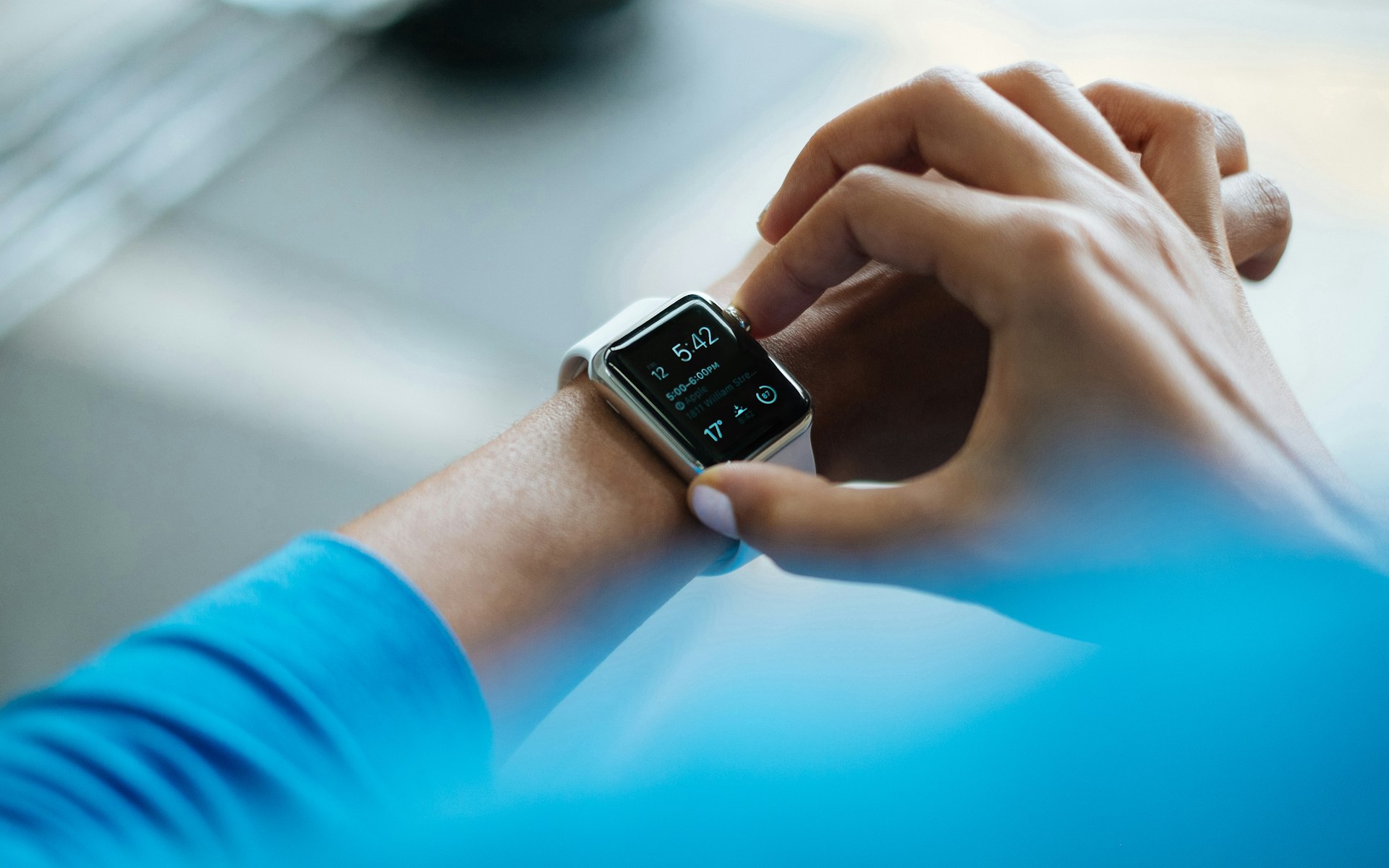
A ring or watch can't read your brainwaves the way a sleep lab does. Instead it infers your stages from heart rate, heart-rate variability, movement and breathing. The honest position, backed by validation research, is that consumer wearables are good at tracking overall sleep and trends, and decent but imperfect at staging any single night.
The practical takeaway is the same one that applies to HRV: don't over-read one night. If last night's "deep sleep" looks low, that's noise. If your deep sleep or total sleep trends down across a week, that's a signal worth acting on. Trends are where wearables genuinely earn their place.
How sleep shapes a formula
Here's why sleep data matters for what you take. Sleep sits upstream of almost everything else your wearable measures: poor sleep drags down HRV, blunts recovery and saps next-day energy. So a few nights of short or shallow sleep don't just show up as a sleep score, they ripple through your whole picture.
That makes sleep one of the most useful inputs for a personalized formula. When your sleep trend dips, the sensible emphasis shifts toward ingredients associated with relaxation and sleep quality, magnesium being the obvious example, and a short course of low-dose melatonin where the issue is timing rather than duration. When your sleep is solid, those move down the list and the formula leans elsewhere. The point isn't that a supplement fixes sleep; it's that your formula should respond to your sleep instead of ignoring it.
Levers that actually help
Before any capsule, the things that move sleep quality most are unglamorous and free:
- A consistent schedule. Going to bed and waking at similar times anchors your body clock, arguably the single biggest lever.
- Morning light, dim evenings. Light is the master signal for your circadian rhythm.
- Earlier, lighter dinners and less alcohol. Both protect the early deep-sleep window.
- A cool, dark room. Temperature drop helps you fall and stay asleep.
Get those in place and targeted nutrition becomes a sensible support on top, not a shortcut around them. That's the order YouCaps works in: we read your sleep, recovery and activity, and translate them into a monthly formula that adapts as your sleep does. The behaviour stays yours; we make sure the nutrition part is actually paying attention.
Related: see the sleep and wellness gear we recommend to improve the signals behind your formula.