If you've decided you want to track your sleep and recovery, you quickly hit the same three names: Oura, Whoop and Garmin. The forums will tell you one is "the best", usually whichever one the person posting happens to own. The honest answer is duller and more useful: all three are good enough to be worth it, and the right choice is about how they fit your life, not a winner-takes-all spec battle.
What they all do
Start with what's shared, because it's most of it. Each device tracks your sleep, estimates your heart-rate variability overnight, measures your resting heart rate and counts your daily activity. Each builds a personal baseline and shows you a daily "readiness" or "recovery" style score. For the purpose that matters here, understanding how recovered you are and spotting when you're trending down, they're all genuinely capable. The differences are in form factor, focus and cost, not in whether they work.
Oura, the ring
Oura puts the sensors in a ring, which is its whole personality. There's nothing on your wrist, nothing to charge mid-workout, and nothing that looks like a gadget in a meeting or at dinner. It's the most discreet option by far, and it's particularly well-regarded for sleep and recovery tracking.
The trade-offs: a ring can't show you anything (no screen), it's less suited to active sport tracking, and the full features sit behind a monthly subscription on top of the hardware. If your main interest is sleep, recovery and a device you'll genuinely wear every day without thinking about it, Oura is the natural pick.
Whoop, the band
Whoop is a screenless strap built around one idea: recovery versus strain. It leans hard into the athletic-monitoring use case, how hard did you push, how recovered are you, should you go again today. Like Oura it's invisible in the sense that there's no display, and the band can be worn in different positions or even built into clothing.
The defining trait is the model: Whoop is subscription-first, you're essentially paying for the membership, with the hardware bundled in. That's great if you value the coaching-style insights and don't want a watch on your wrist; less appealing if you dislike ongoing fees or want a device that also tells the time. It suits people who train seriously and want recovery front and centre.
A ring you forget you're wearing, a band built for athletes, or a watch that does everything, same signals, very different lives.
Garmin, the watch
Garmin is the all-rounder. It's a proper smartwatch with a screen, on-board GPS, and deep support for just about every sport. Crucially for a lot of people, most of its health and recovery features come without a mandatory subscription, you buy the watch and that's it.
The cost is on your wrist: it's a visible, often chunky device, and battery life and complexity vary across its enormous range. But if you run, ride, swim or want maps and notifications alongside your recovery data, and you'd rather not pay monthly, Garmin is hard to beat as a single do-everything device.
Which fits whom
Strip away the brand loyalty and it comes down to a few honest questions:
- Want it invisible and sleep-focused? Oura.
- Train seriously and want recovery-vs-strain coaching, no watch? Whoop.
- Want one device for sport, GPS and notifications, ideally no subscription? Garmin.
- Hate monthly fees? Garmin leans your way; Oura and Whoop both involve subscriptions.
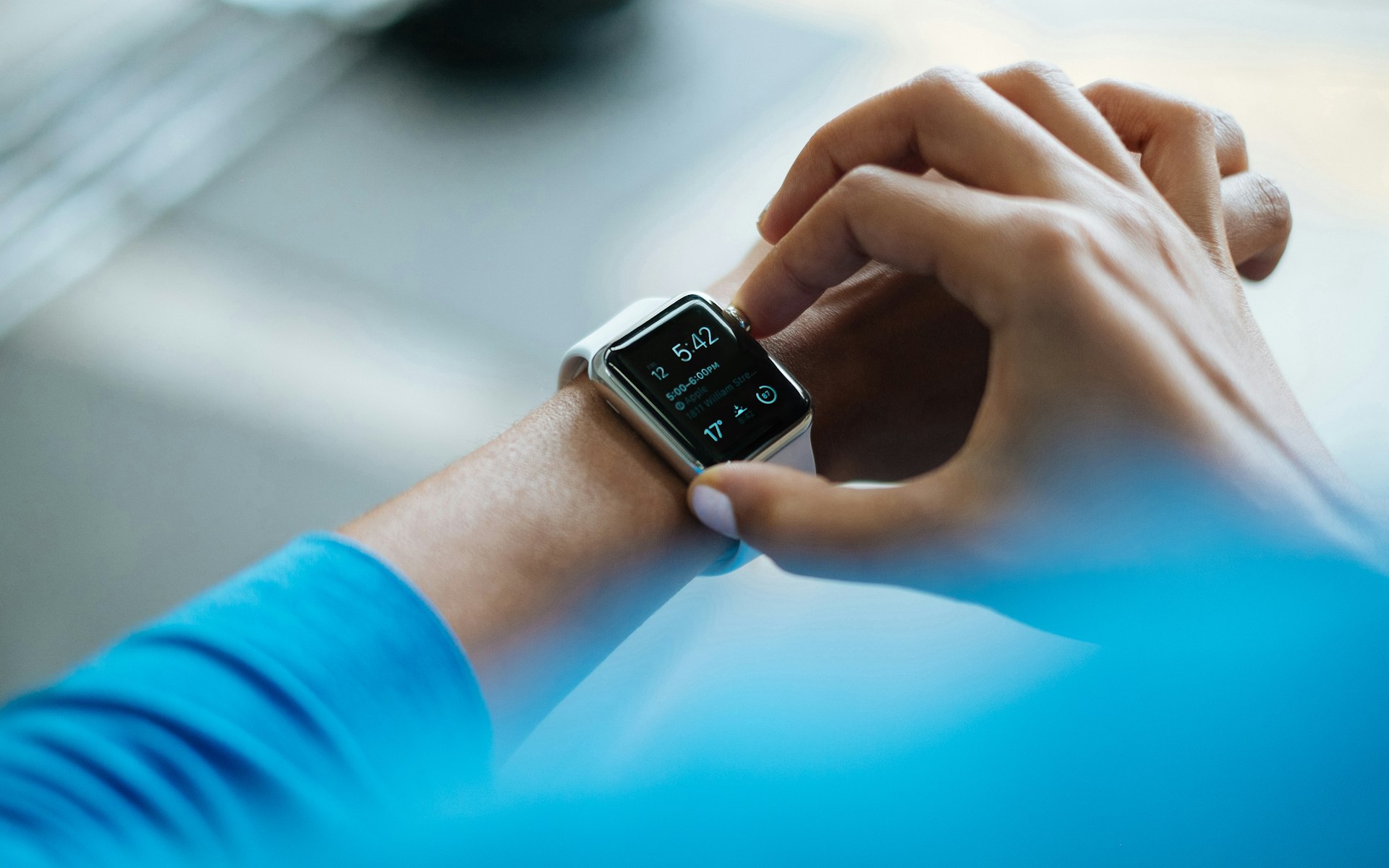
- Already own an Apple Watch? It tracks the same core signals too, you may not need a fourth device.
And here's the part most "best wearable" articles skip: the device is only step one. Collecting a beautiful recovery score and doing nothing with it is the most common wearable habit there is. The value is in turning that data into a decision. That's the gap YouCaps fills, and we read all of them: Oura, Whoop, Garmin, Apple Health and Google Fit. Whichever you choose, your sleep, recovery and activity become a monthly supplement formula matched to your patterns. Pick the wearable that fits your life; we'll make the data do something useful.
Related: once you have a ring, see the wellness gear we recommend to pair with it.