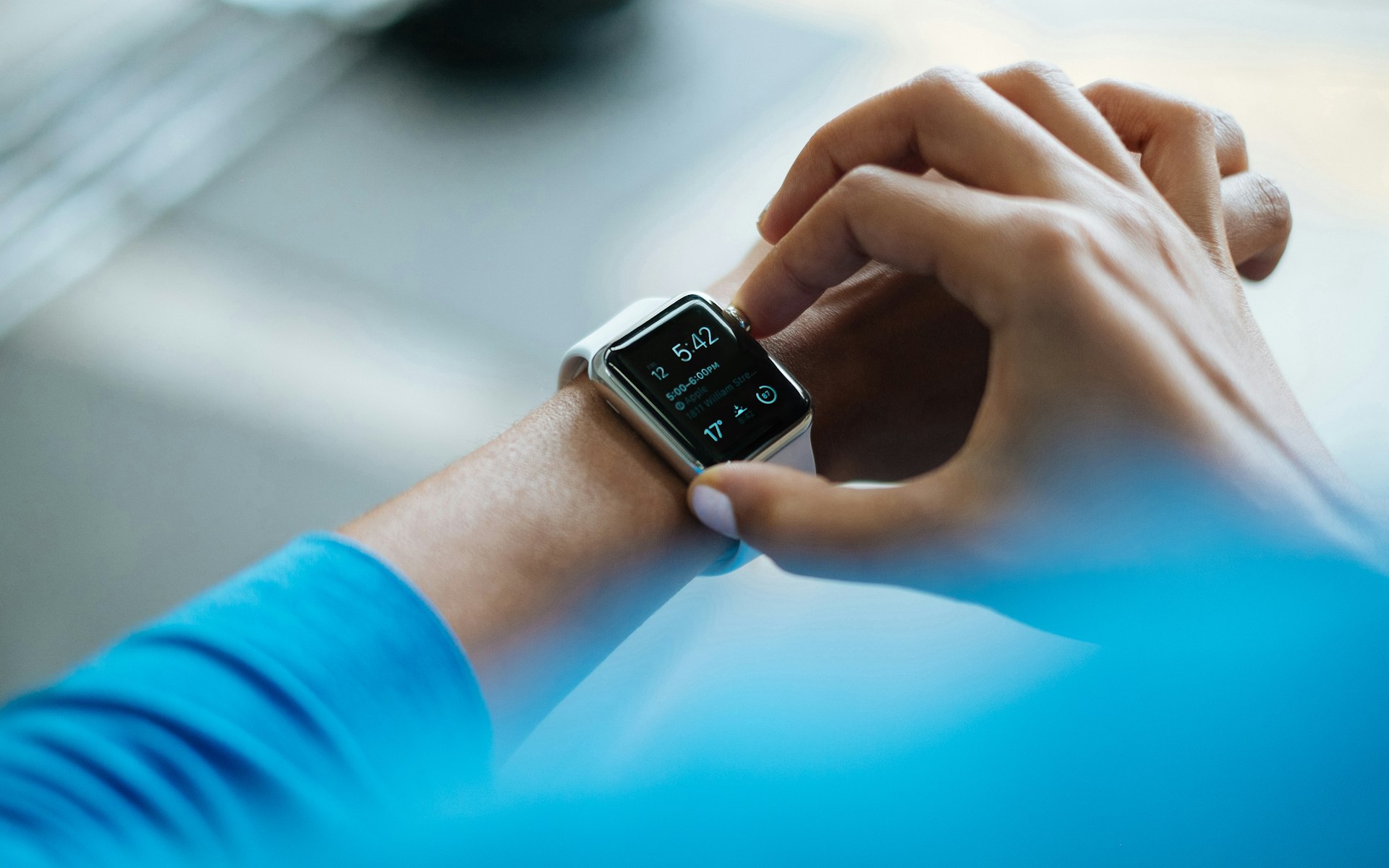
High performers run on data. We track sleep, activity and recovery with wearables like Oura, Garmin and the Apple Watch. Yet the most telling biomarker on the dashboard stays the hardest to read: HRV, heart-rate variability. A falling HRV baseline is the clearest early signal that your autonomic nervous system is carrying more than it can clear.
YouCaps doesn't believe in one-size-fits-all. Biology demands precision. This page explains the physiology behind HRV in plain terms, separates what's genuinely substantiated from what isn't, and shows how your numbers become a personalised, measurable formula, without overpromising.
The two systems behind the number
Your autonomic nervous system constantly balances two branches. The sympathetic branch is the accelerator: fight-or-flight, switched on by cognitive load, stress and training. The parasympathetic branch is the brake: rest-and-digest, responsible for recovery and repair.
When cognitive pressure stays high, the accelerator stays pressed. The vagus nerve loses some of its flexibility, and that shows up directly as a lower HRV during deep sleep. In effect, HRV is a window onto how much recovery capacity you have left tonight.
HRV isn't a trophy. It's a sign your body has the spare capacity to handle what comes next.
This is general physiology: it describes how the body works, not a promise about any product. What a product can responsibly do is help you measure that balance and support the basics with nutrients that carry proper evidence.
What actually has substantiation
Under EU law (Regulation 1924/2006) a supplement may only carry a health claim if that exact claim is authorised. For the nervous system, the substantiated nutrients are clear, and they're the only ones we make claims about:
- Magnesium contributes to the normal functioning of the nervous system, to normal muscle function, and to the reduction of tiredness and fatigue.
- Vitamin C and the B-vitamins (B6, B12, folate, niacin) contribute to normal psychological function and the normal functioning of the nervous system.
- Vitamin C, B-vitamins and magnesium contribute to normal energy-yielding metabolism and the reduction of tiredness and fatigue.
On honesty: some ingredients people associate with stress and calm, such as saffron extract or ashwagandha, are still being researched and have no authorised EU health claim. Where it makes sense we may include them, but we will not promise an effect that isn't legally substantiated. Anyone selling you a capsule that "raises your HRV" overnight is selling you the wrong thing.
Sustained load & peak recovery
A male HRV baseline tends to be relatively stable, without large monthly hormonal swings. That makes the effect of recovery, sleep and targeted nutrition comparatively clean to read on a wearable.
The pattern. Chronically high stress load from work and intense training can keep the baseline flat or drifting downward, often with an elevated night-time heart rate. A single hard session lowering HRV is normal; a whole block trending down is the warning.
What YouCaps does. It reads your baseline from your own data and personalises a formula around nutrients with authorised claims for normal nervous-system function and reduced fatigue, then re-checks against your numbers every month. The goal is a measurement loop, not a miracle. The behaviour (sleep, alcohol, load) is still yours to change.
Life-stage transitions
During (peri)menopause the body goes through a significant hormonal shift. Declining estrogen, a hormone that supports the cardiovascular system and parasympathetic activity, influences the autonomic nervous system, and many people notice their HRV baseline becoming more variable.
That is, again, a description of physiology. YouCaps is not a treatment for menopause, or for any condition. What it can do is make the shift visible: track your baseline over time and personalise nutrients with authorised claims for normal nervous-system and psychological function, so you can see what genuinely changes month to month.
If you have symptoms that concern you, that's a conversation for your doctor, not a supplement.
From baseline to formula
Here's the honest truth about wearables: most people collect beautiful HRV data and do nothing with it. The value was never in seeing the trend. It's in acting on it. Acting starts with behaviour; targeted nutrition sits one layer below that, a sensible support once the basics are in place.
This is the gap YouCaps works in. We read the signals your wearable already collects, including your HRV trend, and translate them, within the bounds of what the science and EU food-claim rules allow, into a monthly supplement formula matched to your patterns. Connect your wearable, we analyse your HRV, sleep and activity, and your formula is recalculated every month against your own data. Not a machine that promises to fix your recovery, but an honest bridge between the data you already have and a choice you'd otherwise make on a hunch.
Related: see the wellness gear we recommend to track HRV and support recovery.